Jeremy Jansen: Found Images, Intuition, and Building Books Through Rhythm
How does someone become a book designer without growing up around books?
What happens when editing becomes as important as designing?
And how do films, found materials, and intuition shape the way a book comes together?
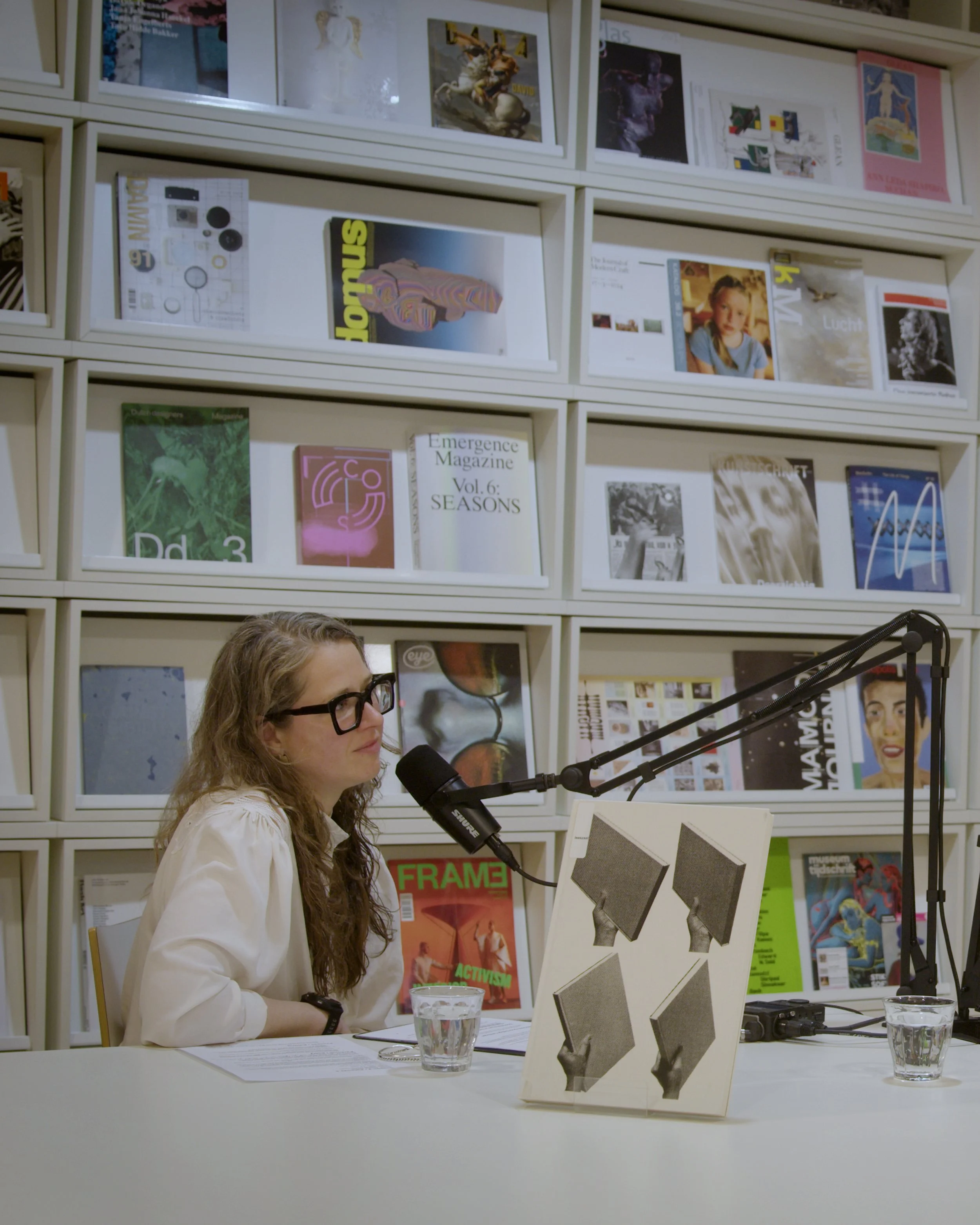
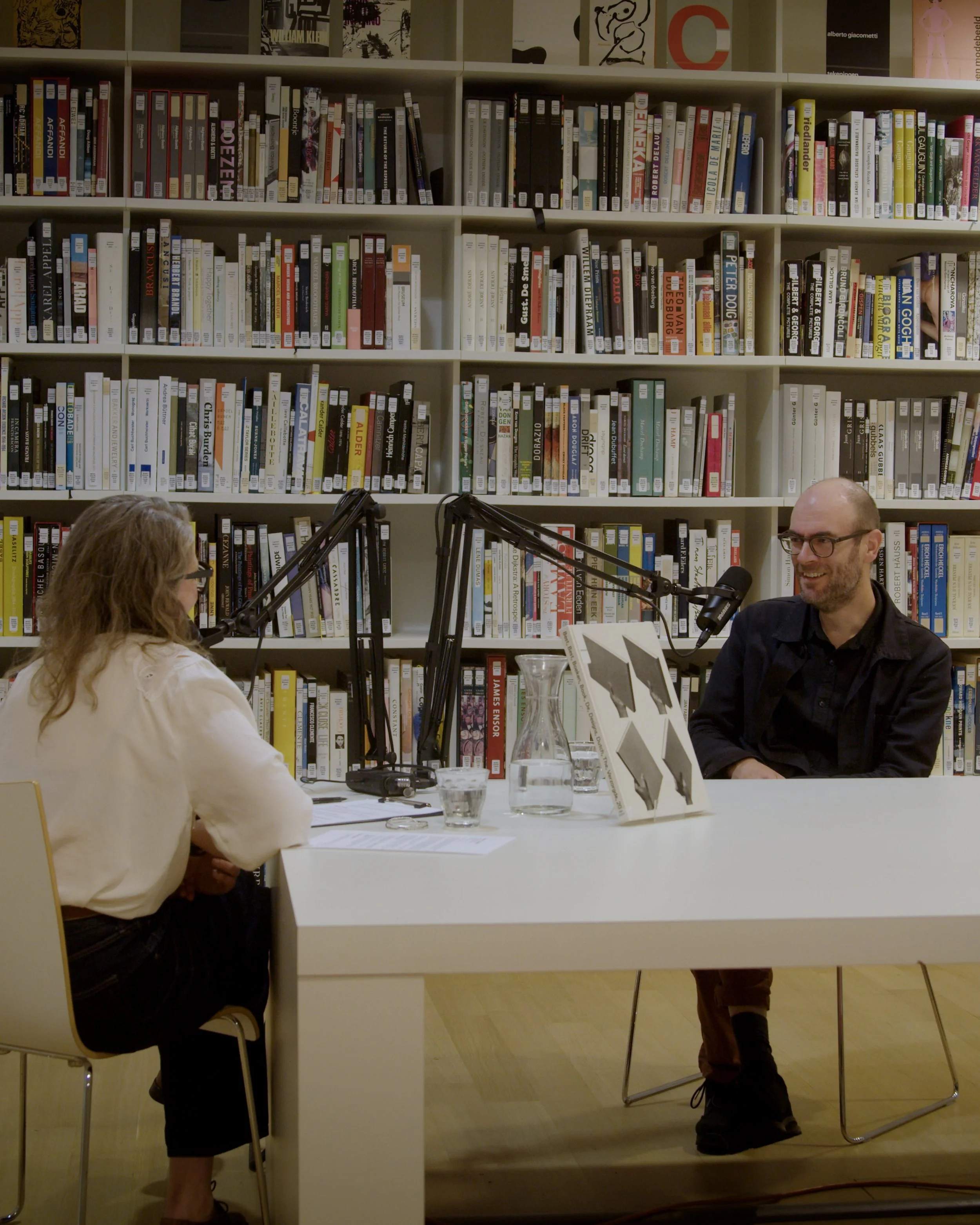
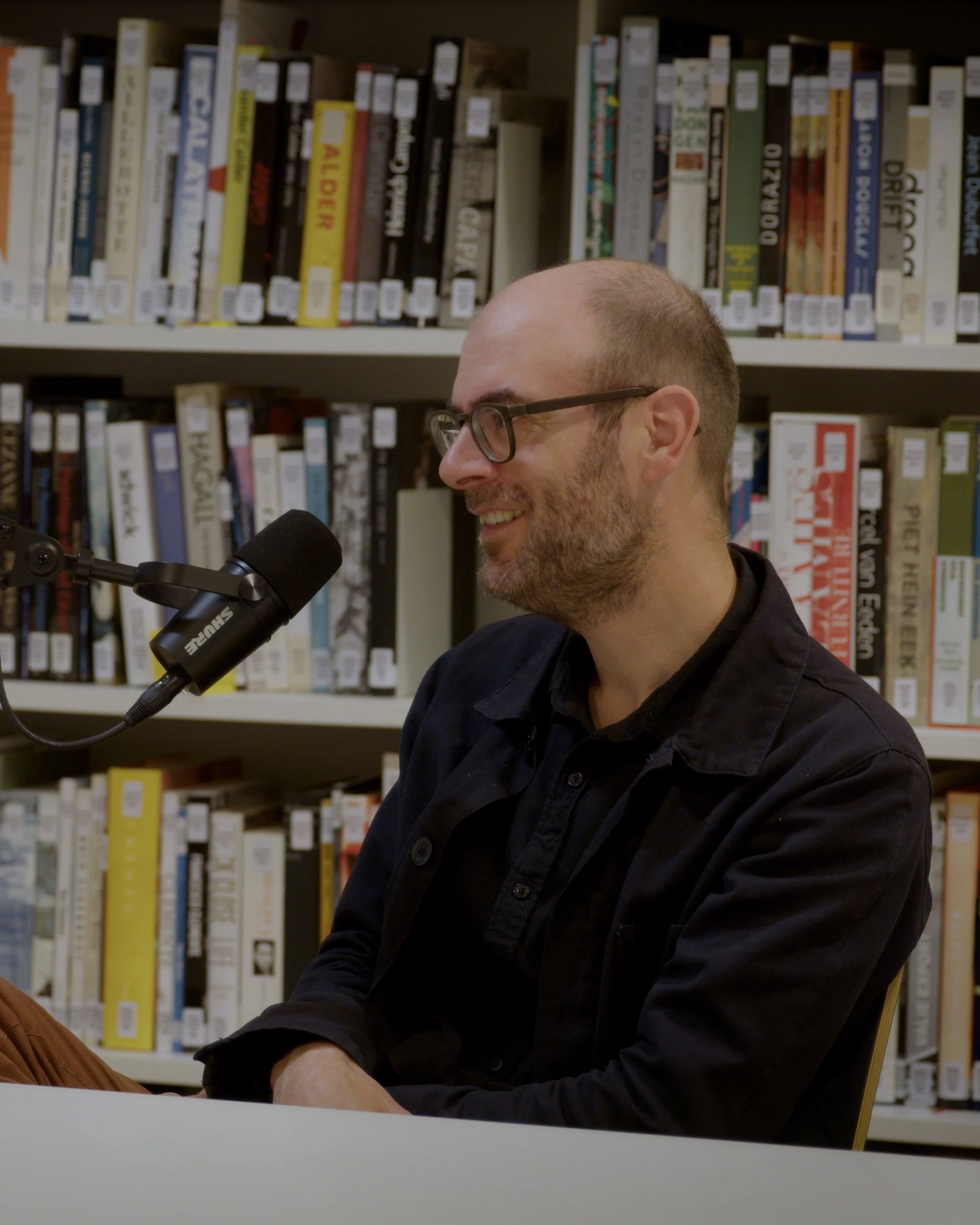
I spoke with Jeremy Jansen, graphic designer, educator, and co-founder of Blind Finch Books, for a new episode of Book Making as an Art Form.
Based in Haarlem, Jeremy works across book design, exhibition design, and visual identities for cultural institutions. Alongside his design practice, he has taught at ArtEZ for over a decade, focusing on image authorship, storytelling, and working with found materials. His work often moves between designing and editing, constructing new narratives from archives, fragments, and existing imagery.
But our conversation begins somewhere less expected. Unlike many people working in publishing and design, Jeremy did not grow up surrounded by books. Instead, his way into bookmaking emerged later through experimentation, intuition, and curiosity.
He reflects on graduating from ArtEZ during the early years of Google’s book scanning project, printing scanned library books from online archives, binding them himself, and becoming fascinated by the accidental traces left behind in digitisation processes. Small imperfections. Systems revealing themselves. Fragments becoming material to think through.
We also speak about editing as a design tool, and how cinema continues to influence his approach to making books.
For Jeremy, designing is often less about adding more, and more about recognising what already exists. Rhythm, sequencing, pacing, intuition. A single sentence can become a starting point. A found image can shape an entire concept.
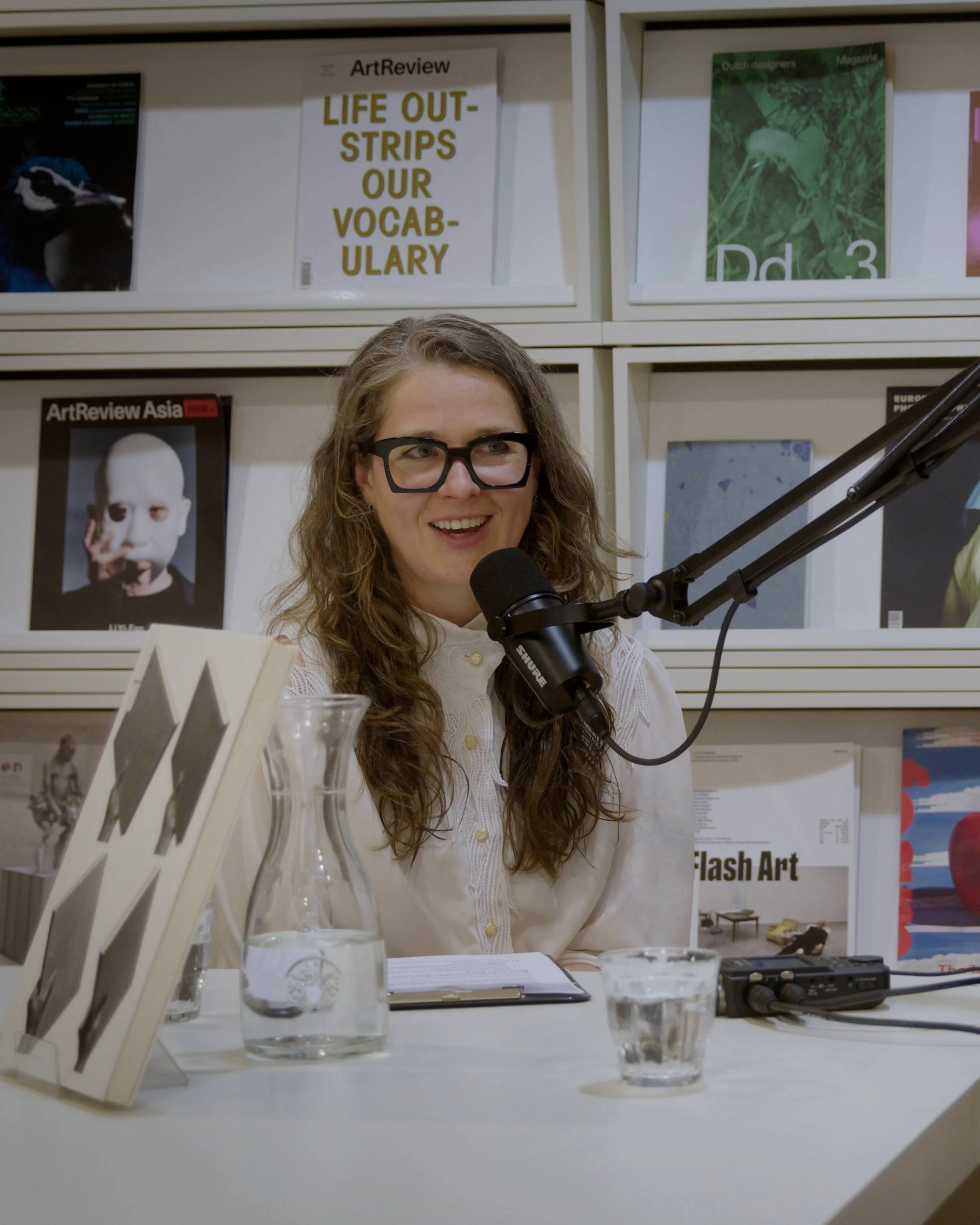
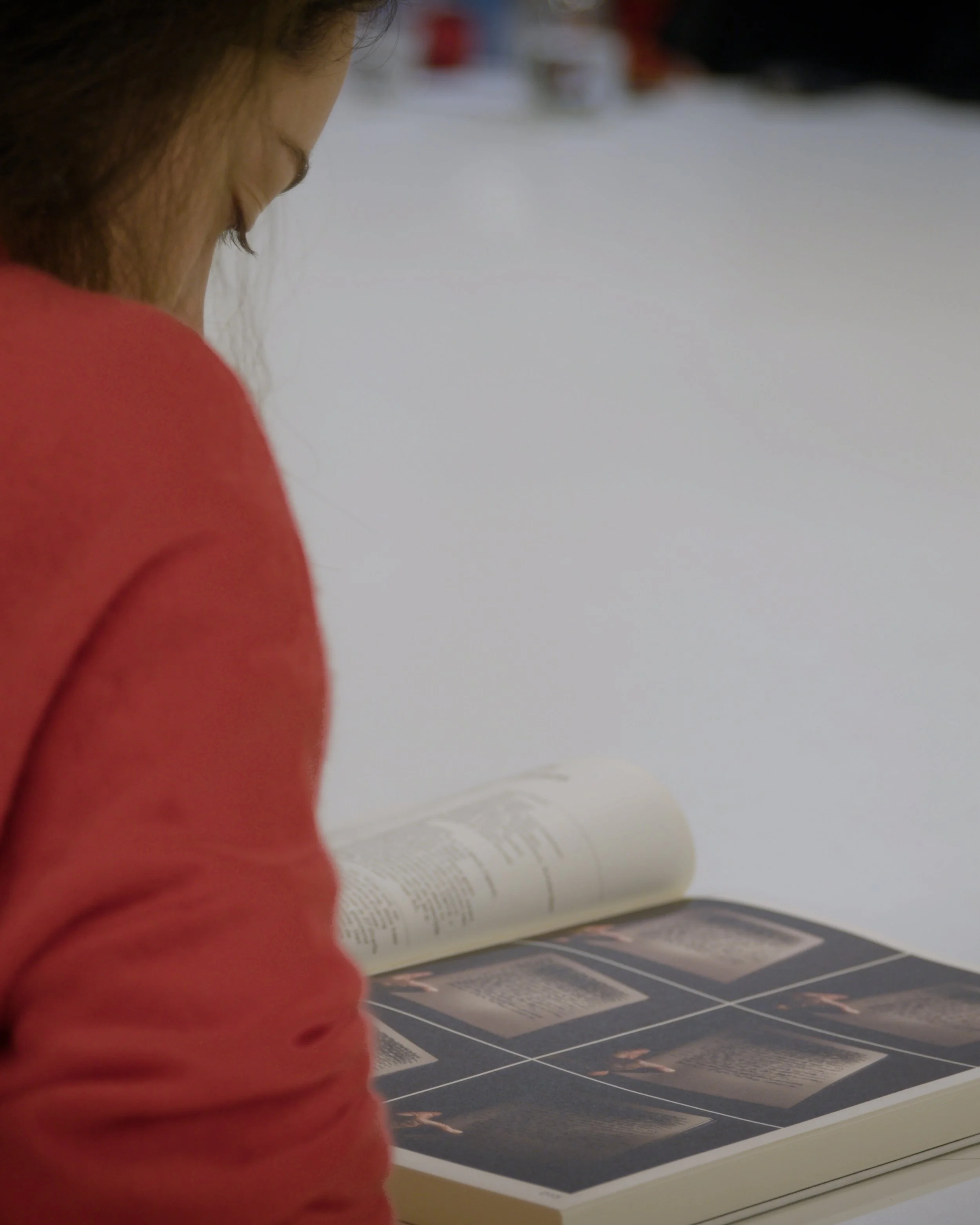
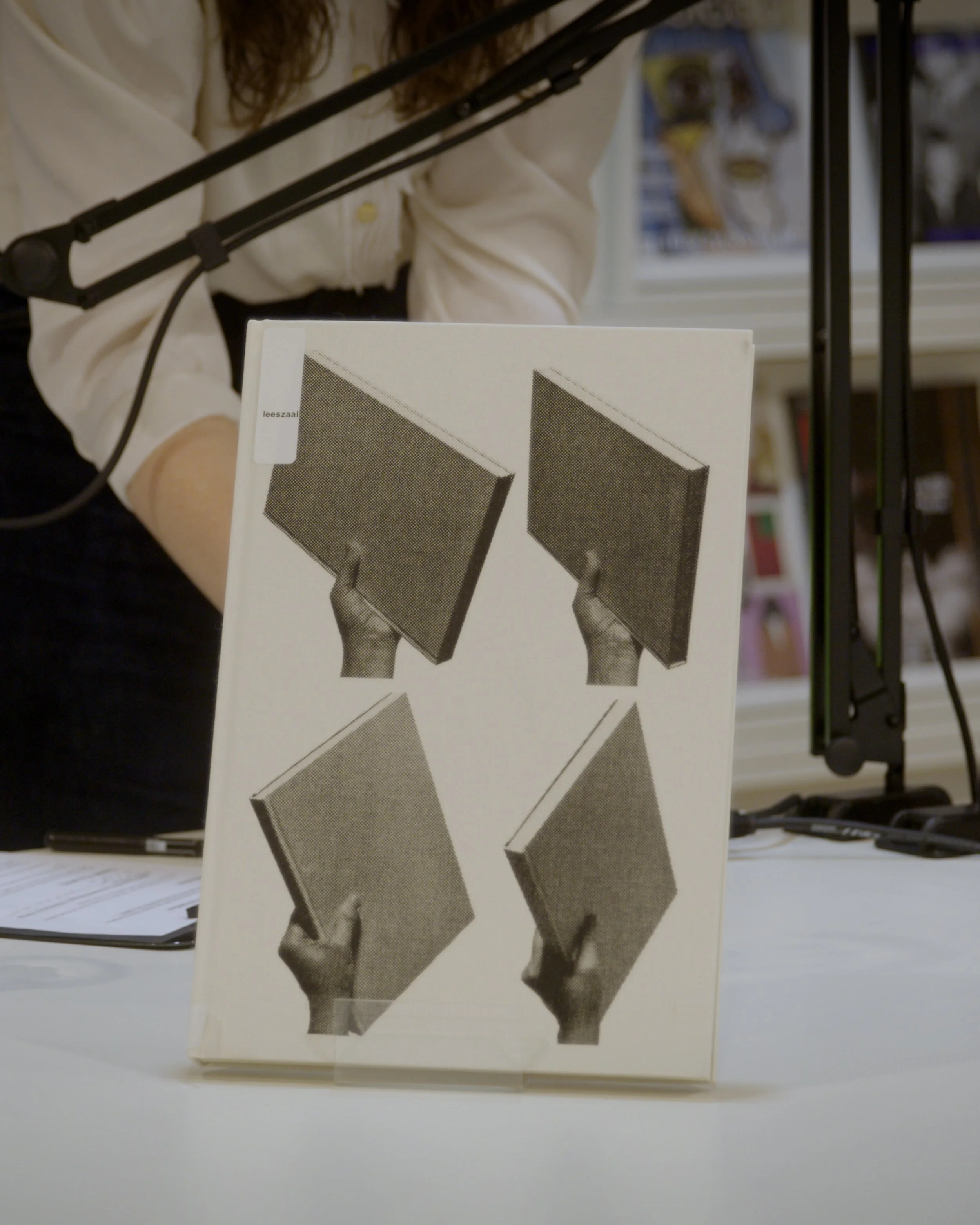
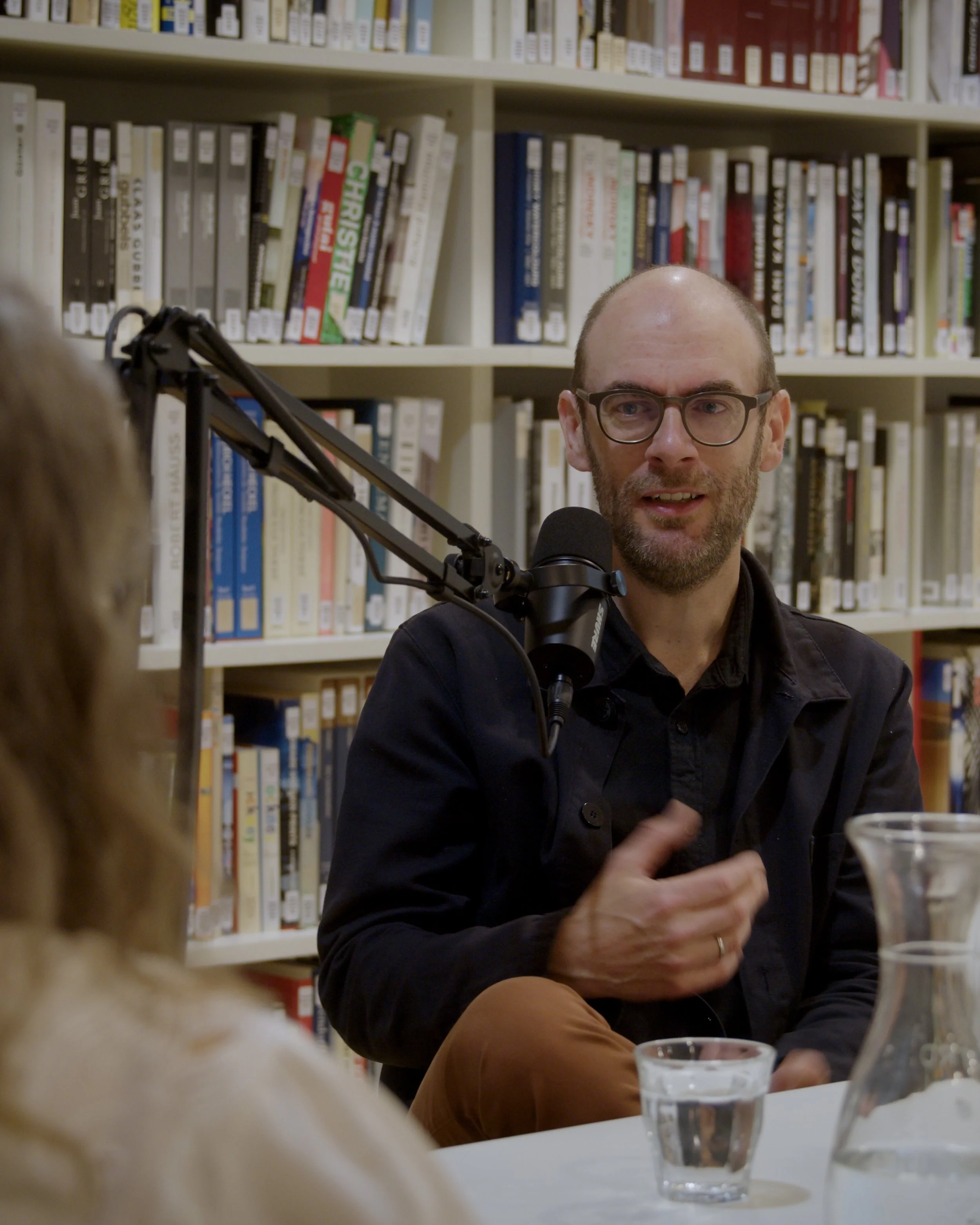
Teaching sits closely alongside this process too. Over more than ten years at ArtEZ, Jeremy has seen classrooms become increasingly international, bringing together different visual languages, experiences, and ways of working. That exchange continues to shape both his students and his own practice.
A conversation about intuition, editing, storytelling, teaching, and why books still remain powerful objects to make, hold, and pass on.
Tune in from 2nd June.
__
Produced and hosted by Justina Nekrašaitė | The Book Photographer
Audio productions: Drexhage Media | Jasper Drexhage
Design: Thom Niessink
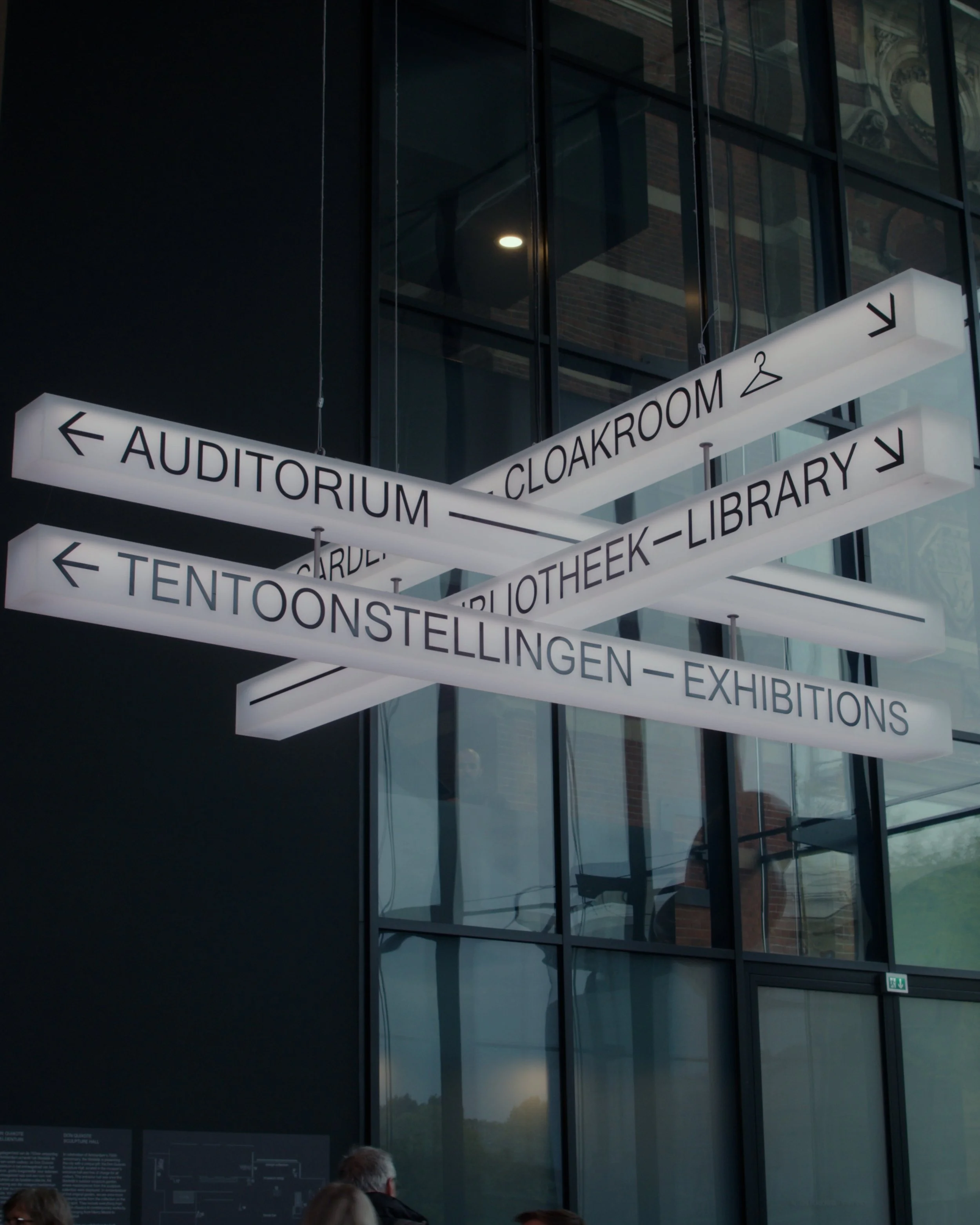
Recorded at Stedelijk Museum Library
Communication & promotion: Chana Levy
Image stills: Anastasija Piroženko
❤️ Season 2 is supported by Pictoright, Het Cultuurfonds and many big-hearted individuals via Voordekunst.
With particular appreciation to our principal supporters: Ruth Higgins, Luminosity Lab, Eleonoor Jap Sam / Jap Sam Books, Silvia Robertelli, Wilco Art Books Amersfoort, and Marc Gijzen.
